Only in Tokyo: Lucie Rie's colours inside a 1930s Art Deco palace

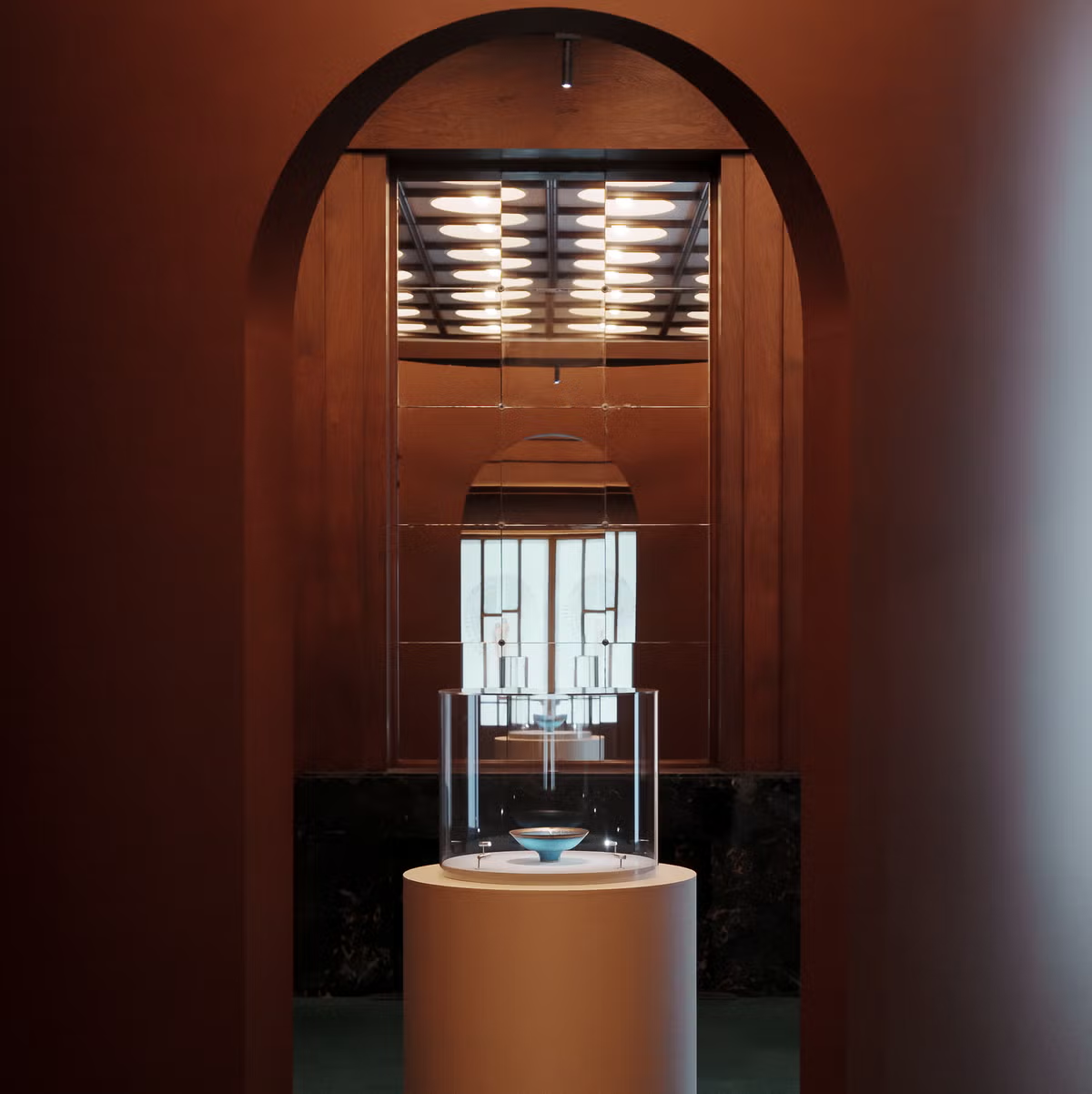
2026 has been a genuinely rich year for exhibitions in Tokyo, and this is the one I'd send a design friend to first. Lucie Rie's vessels — those bronze-lipped, impossibly coloured bowls — are shown inside the former Asaka residence, a 1933 Art Deco palace with its classical Showa-era interiors intact. The works have travelled elsewhere in Japan; what you can only see here is the contrast — her quiet, modern colour set against that beautiful old design. It closes September 13, so this is a "go soon."
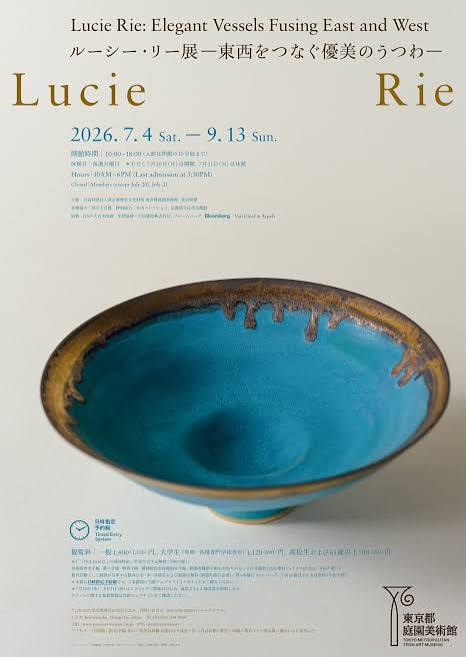
Lucie Rie — Elegant Vessels Fusing East and West is at the Tokyo Metropolitan Teien Art Museum (Shirokanedai) through September 13, 2026. It's Japan's first Rie retrospective in about a decade. Entry is timed-slot, ¥1,400 for adults; the museum is closed Mondays and open late (until 21:00) on the remaining Friday evenings of August. Book a slot before you go.
Who Lucie Rie was — and why designers keep coming back to her
Lucie Rie (1902–1995) was born in Vienna and trained there at the Kunstgewerbeschule, the city's school of applied arts, in the tail end of its great modernist moment. In 1938 she fled the war and settled in London, where she spent the rest of her life at the wheel. What she made looks effortless and is anything but: thin, upright forms thrown with unusual precision, fine sgraffito lines scratched through the surface, inlaid colour, and glazes she mixed to do strange, beautiful things — bronze that looks almost metallic, volcanic pitted whites, a pink that shouldn't work and does.
If you've spent any time around product or graphic design, her pots read like a masterclass in restraint: every line is doing a job, nothing is decoration for its own sake. That's why she's a designer's artist as much as a potter's.
Why this particular show matters
Two reasons. First, scale and rarity — this is the first proper Rie retrospective in Japan in roughly ten years, pulling together works held here including the well-known Iuchi Collection (deposited at the National Crafts Museum). Seeing that many of her pieces in one room is not something Tokyo offers often.
Second, context. The show doesn't isolate her. It sets her alongside people she actually knew — the Viennese architect-designer Josef Hoffmann, and in Britain the potters Bernard Leach, Hans Coper and Shoji Hamada — and uses those relationships to re-examine how her work talks to East Asian, and specifically Japanese, ceramics. For a foreign visitor that framing is a gift: it quietly explains why a Viennese émigré's pots feel so at home in Tokyo.
The building is half the reason to go
The Teien Art Museum isn't a neutral white box. It's the former Asaka residence, an Art Deco house completed in 1933, with original interiors — glass, metalwork, lacquer, lighting — commissioned from French and Japanese designers of the period. Rie's spare, modern forms in these rooms make for one of those rare shows where the container and the contents are in genuine conversation. Give yourself time for the house itself, and for the garden it's named after.
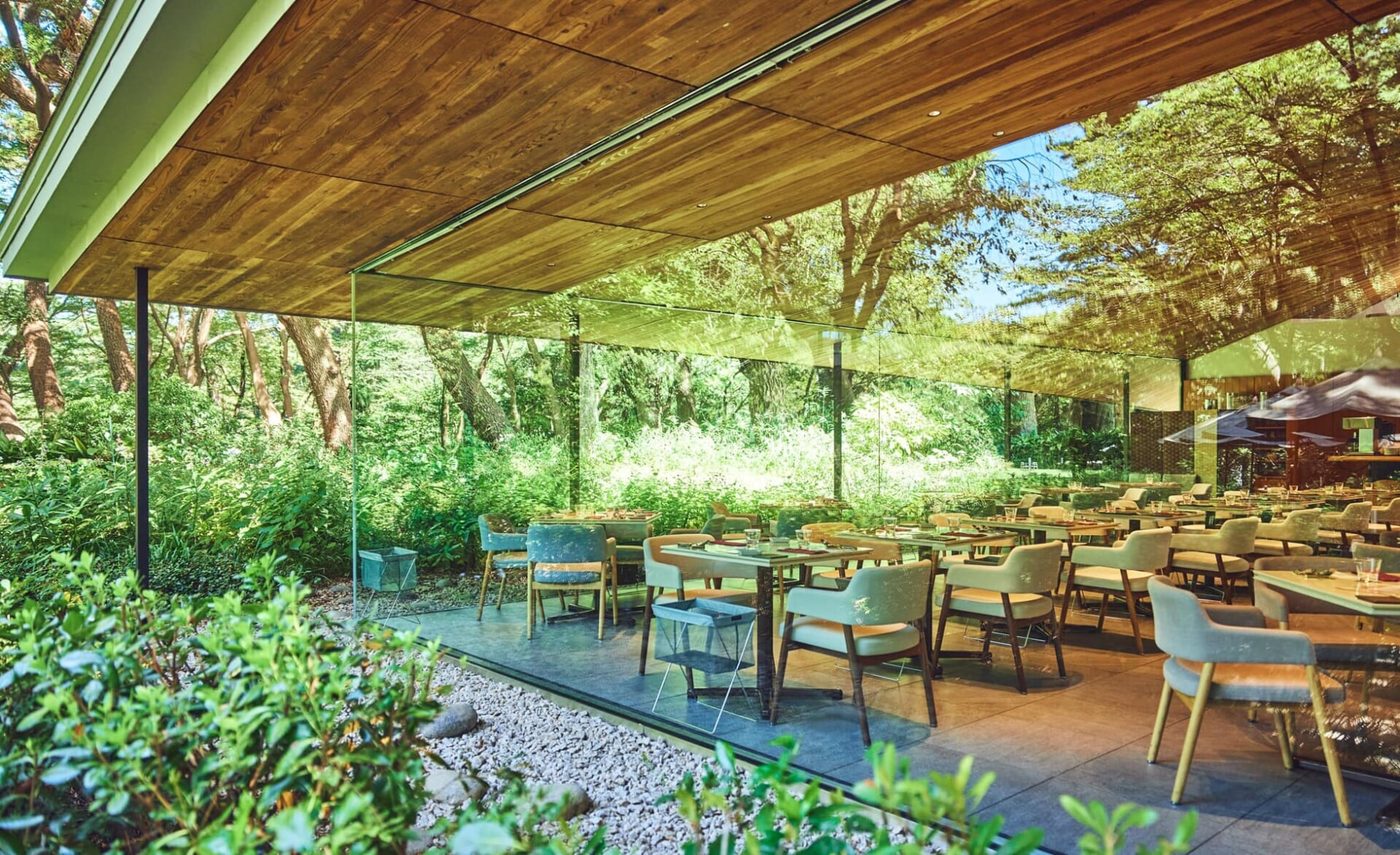
Go on a weekday morning or a Friday evening if you can — smaller crowds, and the low light through the Art Deco windows is worth planning around. Then walk the garden afterwards rather than rushing off; the whole point of Teien is that the building and grounds are part of the exhibition.
The practical details
| Details | |
|---|---|
| Show | Lucie Rie — Elegant Vessels Fusing East and West (ルーシー・リー展 ―東西をつなぐ優美のうつわ―) |
| Dates | July 4 – September 13, 2026 |
| Hours | 10:00–18:00 (last entry 17:30). Open until 21:00 on Fridays Aug 14, 21 & 28 |
| Closed | Mondays |
| Admission | Adults ¥1,400 · University ¥1,120 · High-school & 65+ ¥700 · Junior-high and younger free |
| Booking | Timed-slot reservation — book ahead, especially weekends & Friday nights |
| Where | Tokyo Metropolitan Teien Art Museum, 5-21-9 Shirokanedai, Minato-ku |
| Getting there | ~7 min walk from Meguro Station or Shirokanedai Station |
One small thing that trips people up: the timed-entry system means the ticket is for an arrival window, not a queue you can join whenever. If you're building a day around it, lock the slot first and plan the rest around that.
Common questions
When is the Lucie Rie exhibition in Tokyo?
July 4 – September 13, 2026, at the Tokyo Metropolitan Teien Art Museum in Shirokanedai.
Do I need to book in advance?
Entry is by timed slot. Book ahead for weekends and the Friday evening openings; quiet weekday slots can sometimes be bought on the day.
How much is admission?
Adults ¥1,400, university students ¥1,120, high-school students and those 65+ ¥700, junior-high age and younger free.
What's the nearest station?
About a 7-minute walk from either Meguro Station or Shirokanedai Station.
Is it worth it if I'm not a ceramics person?
Yes — it's as much a design and architecture outing as a pottery one. The Art Deco building alone justifies the trip.