The Asakusa lunch locals line up for: rice, umeboshi, and an omikuji that picks your sides

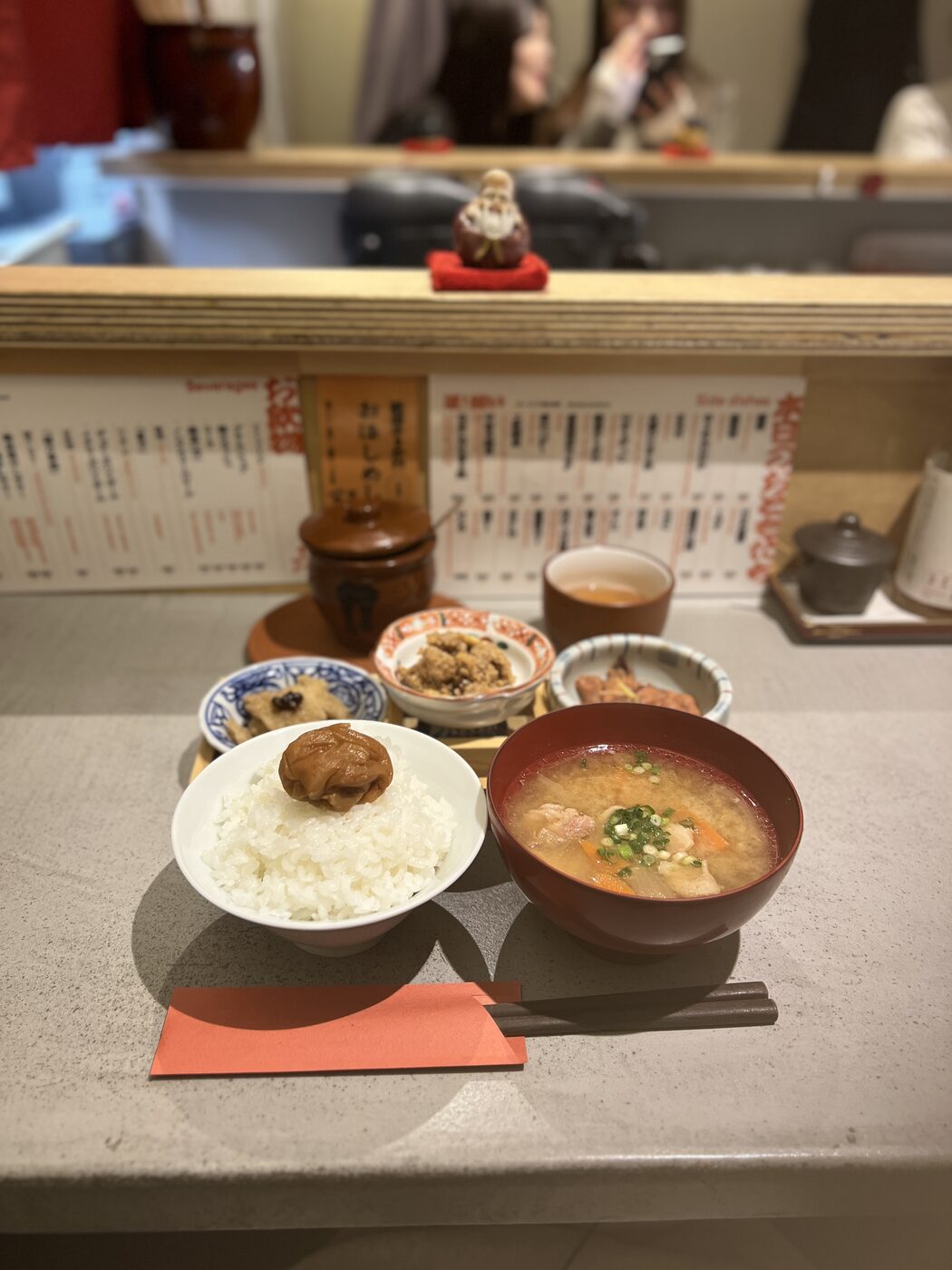
Most people go to Asakusa for the temple and leave having eaten something forgettable near it. This is where I'd send you instead. Ume to Hoshi is a tiny set-meal shop a minute from Sensoji, and it does one very Japanese thing beautifully: rice, a good pickled plum, a few well-made sides, a bowl of soup. That's it. I don't usually make the trip out to Asakusa to eat — a friend dragged me here once — and I've been recommending it ever since.
Ume to Hoshi (梅と星) is at 2-2-4 Asakusa, a minute from Sensoji. Order the otomo-mikuji teishoku (about ¥1,320): you draw a seven-lucky-gods omikuji that decides your three rice toppings, served with clay-pot rice (free refills), tonjiru, a fluffy egg, and your choice of umeboshi. Open 9:00–17:00, closed Mondays. The queue is mostly locals.
Why here, and not tourist Asakusa
If you ask me what genuinely good everyday Japanese food is, the honest answer isn't sushi or ramen — it's teishoku: a set of rice, a main or a few sides (okazu), and miso soup. It's what people actually eat. My default for it is a chain called Ootoya, which is reliable and everywhere. Ume to Hoshi is that idea done with more care and a bit of theatre, in a neighbourhood where most lunches are aimed squarely at tourists. There's usually a line, but look at who's in it: it's mostly Japanese diners, which tells you everything.
The omikuji decides your lunch
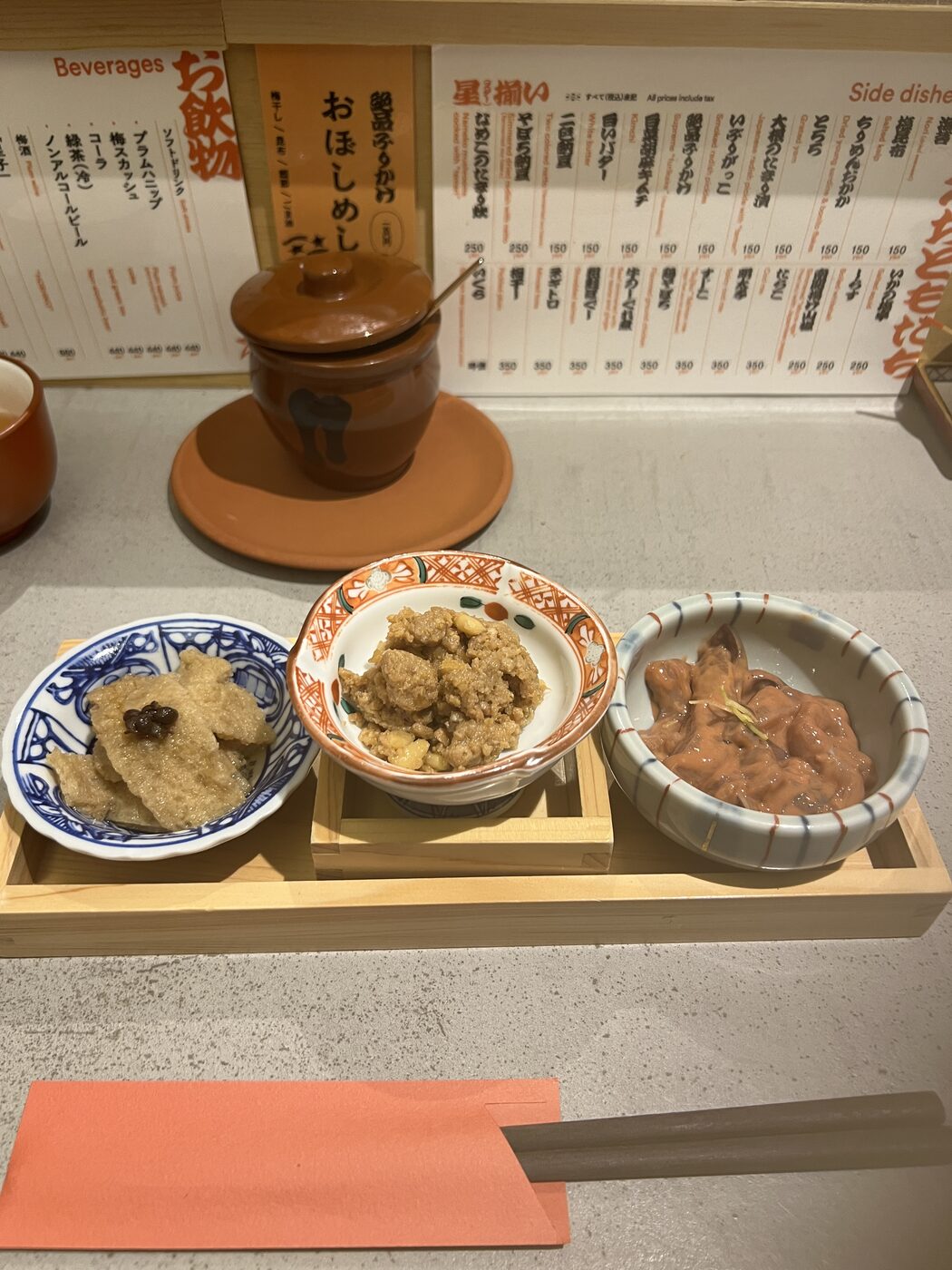
Here's the hook. Before you eat, you draw an omikuji — the paper fortunes you get at shrines — except this one is marked with the seven lucky gods, and the god you draw decides which three rice toppings land on your tray. A little figurine of your god is set down at your seat while you eat. It sounds gimmicky; in practice it's a small, warm bit of fun, and every combination is designed to go with rice, so there's no bad draw.
What's actually in the set
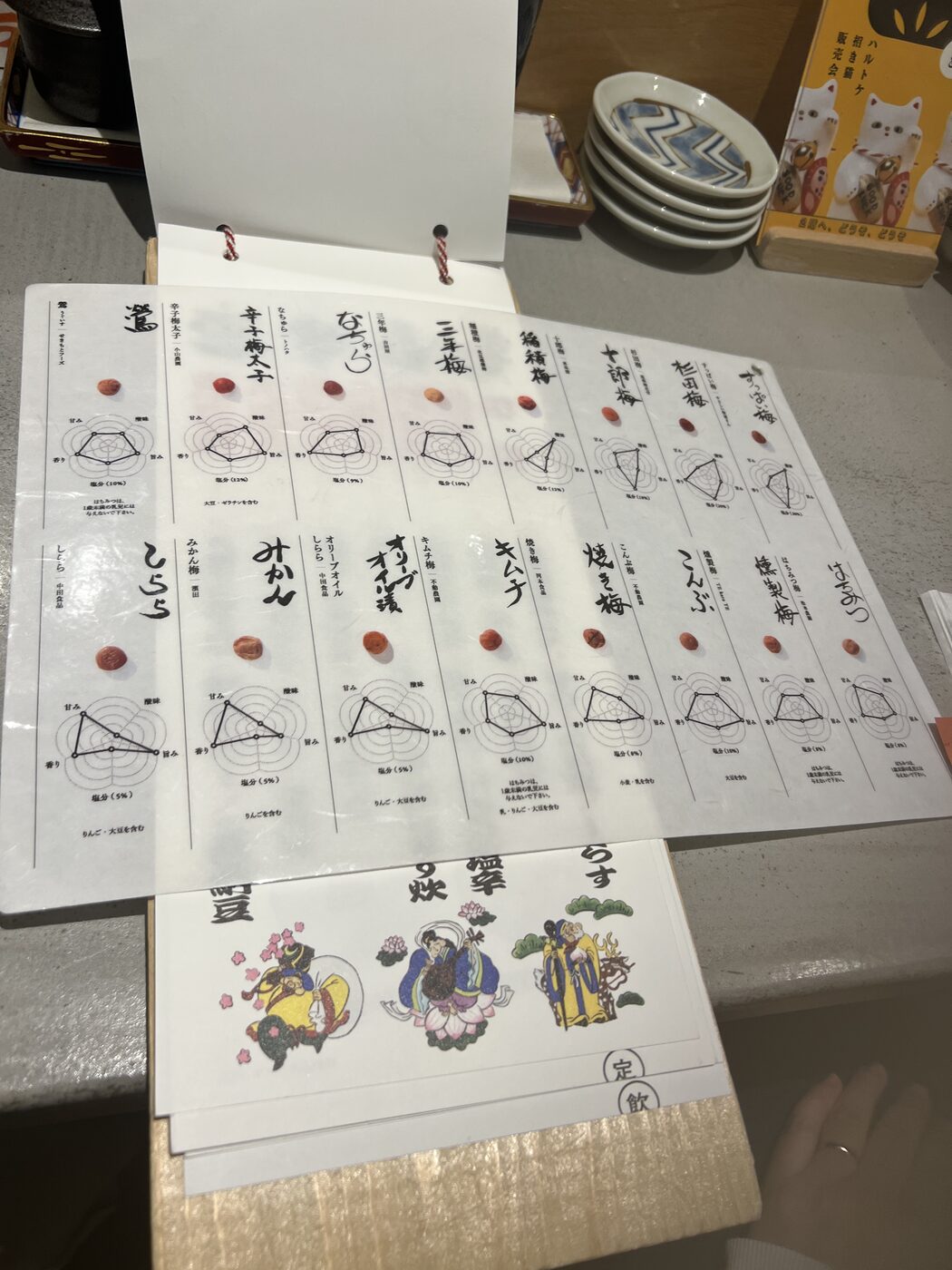
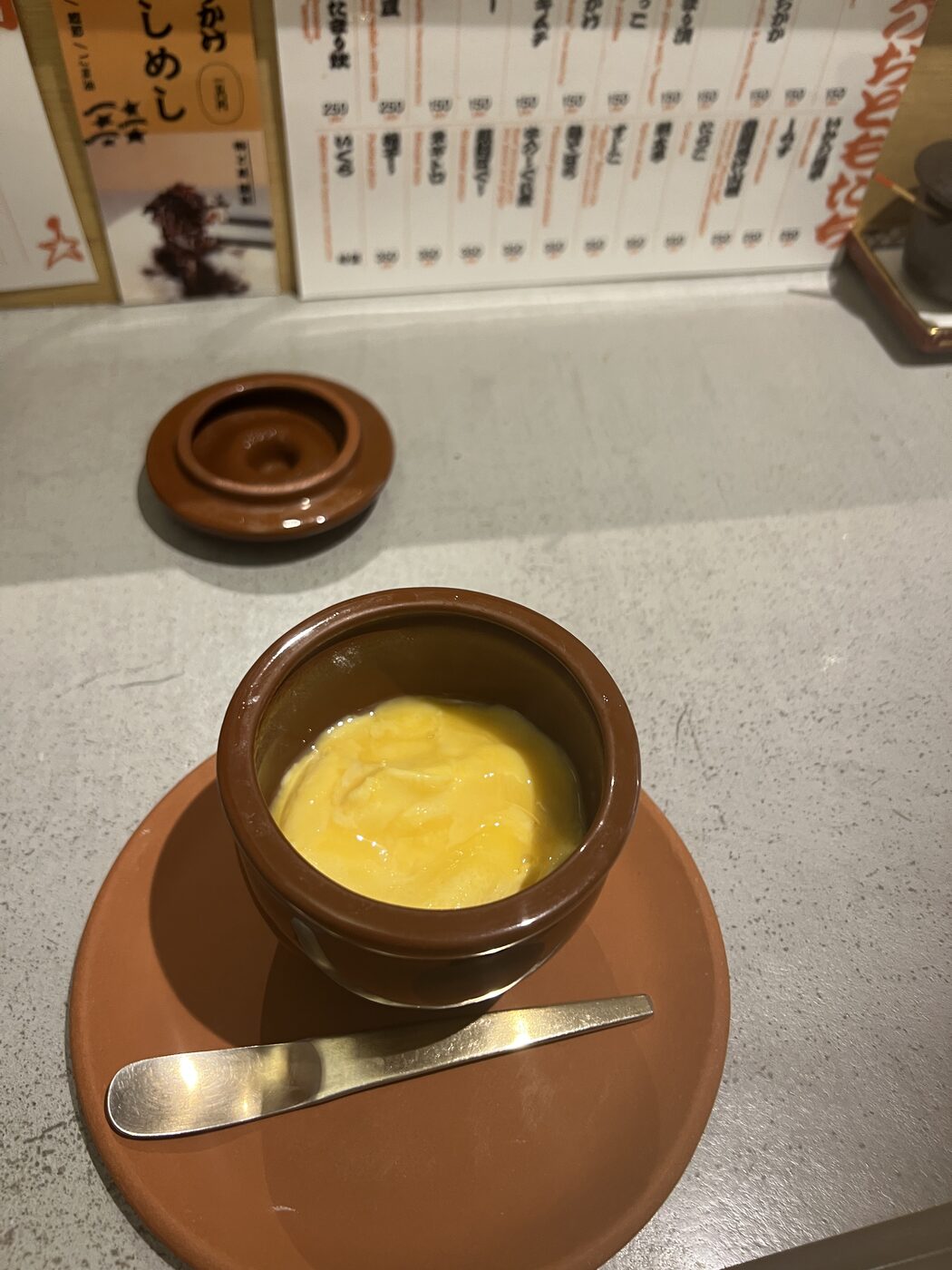
The rice is the point: a blend cooked in a hagama clay pot, and you get free refills, so pace yourself. There's a bowl of tonjiru (a hearty pork-and-vegetable miso soup), a fluffy egg served in its own little pot, and — the shop's namesake — your pick of umeboshi, the Japanese pickled plum, in several styles from classic-salty to honey-mellow. The way to eat it: start with just umeboshi on plain white rice, then bring on the toppings, then refill and try your neighbour's god's combination if you're sharing.
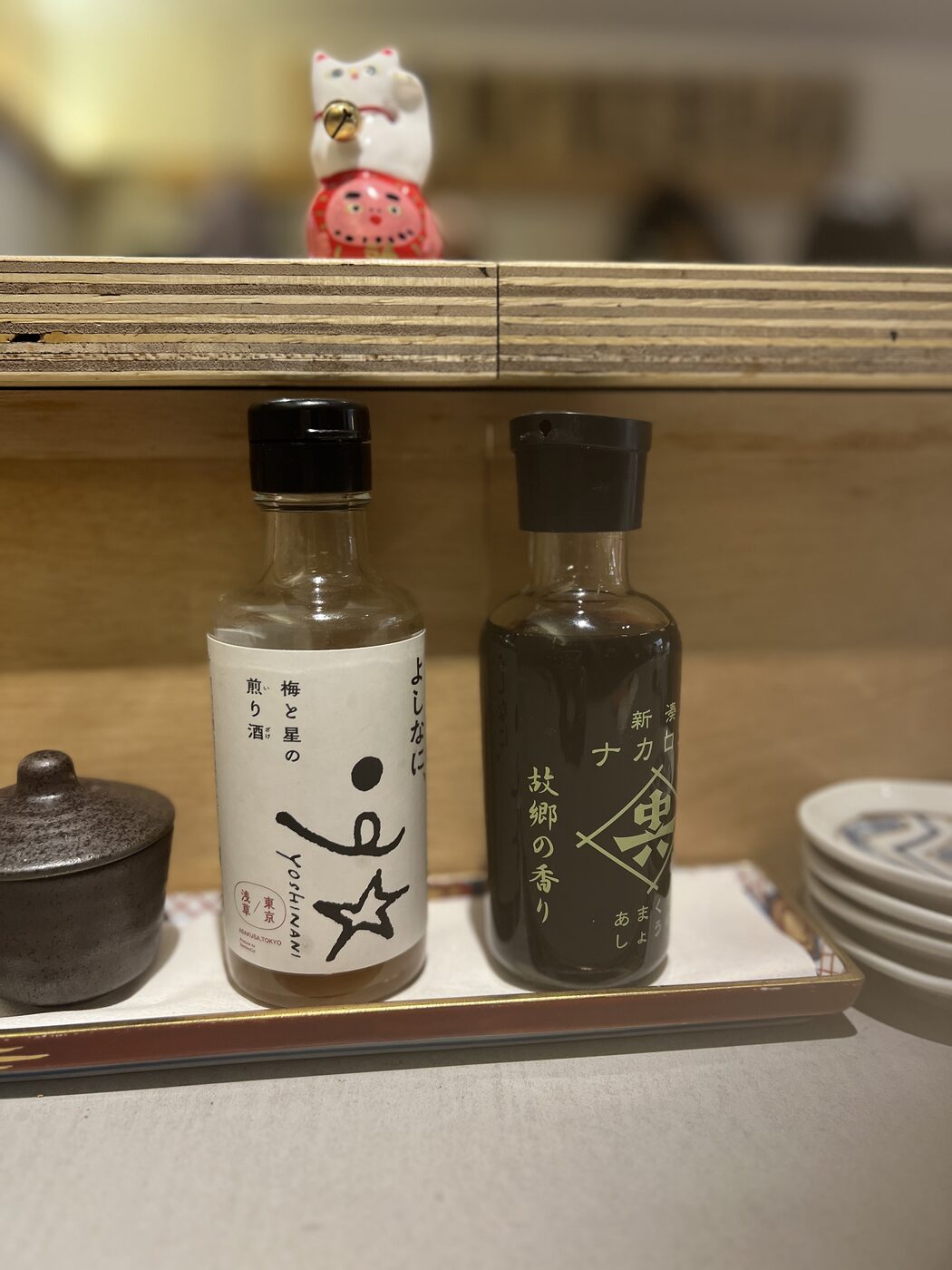
You can buy the exact plums you ate at the ground-floor shop — a far better Asakusa souvenir than the usual keychain, and it survives the trip home.
How to do it
| Details | |
|---|---|
| Where | Ume to Hoshi (梅と星), 2-2-4 Asakusa, Taito-ku · a minute from Nakamise / Sensoji |
| Order | Otomo-mikuji teishoku, about ¥1,320 · clay-pot rice with free refills |
| Hours | 9:00–17:00 · a daytime spot, not dinner |
| Closed | Mondays |
| Queue | Often a short line, mostly locals — go at opening or before noon |
| Getting there | ~5 min walk from Asakusa Station |
Common questions
What is Ume to Hoshi?
A small teishoku (set-meal) shop at 2-2-4 Asakusa, a minute from Sensoji, known for its omikuji set meal.
How does the omikuji work?
You draw a seven-lucky-gods fortune; the god decides your three rice toppings, and a figurine of that god is placed at your table.
How much is it and what's included?
About ¥1,320 for the set: clay-pot rice (free refills), three toppings, tonjiru, a fluffy egg, and your choice of umeboshi.
When is it open?
9:00–17:00, closed Mondays. It's a daytime spot.
What is umeboshi?
A Japanese pickled plum — salty and sour, sometimes softened with honey. You choose from several kinds and can buy some downstairs.